
 0086-13338774804

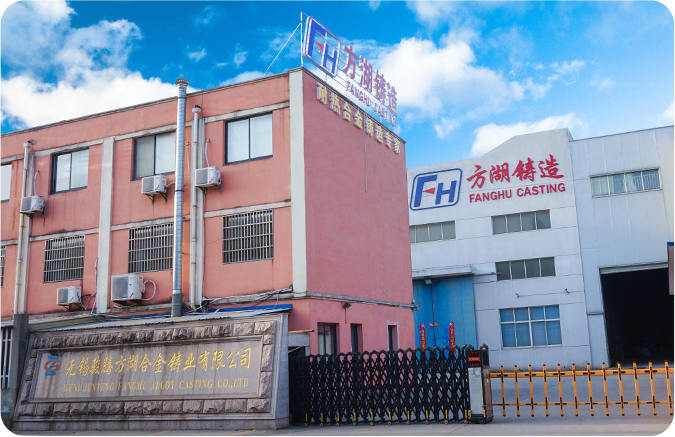
2006年より合金鋼部品の設計・製造に専念してきました。当社は カスタム 炉ファンブレード メーカー および 炉ファンブレード 工場 中国に所在。
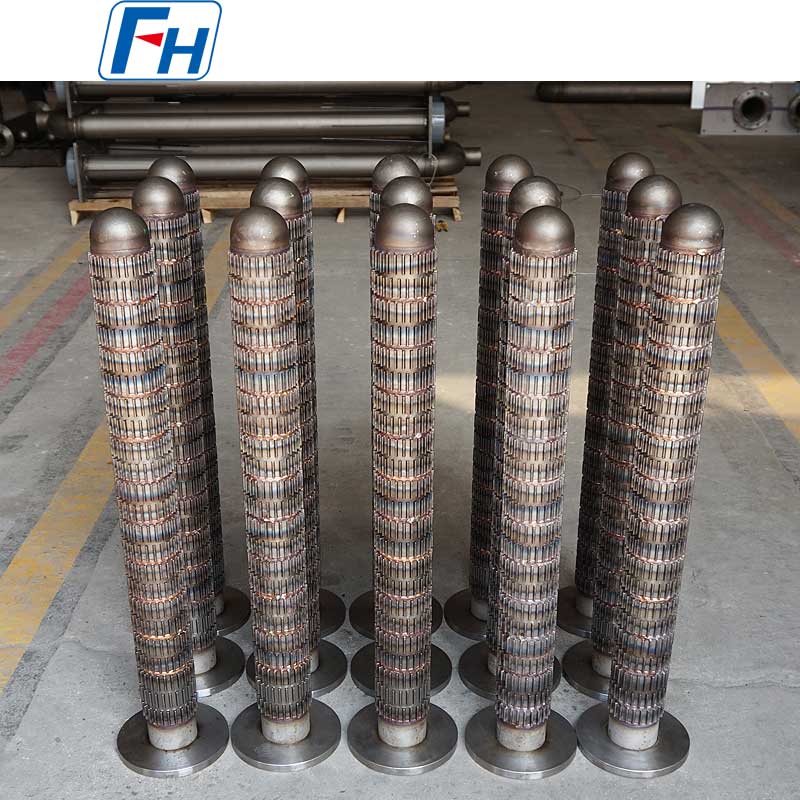
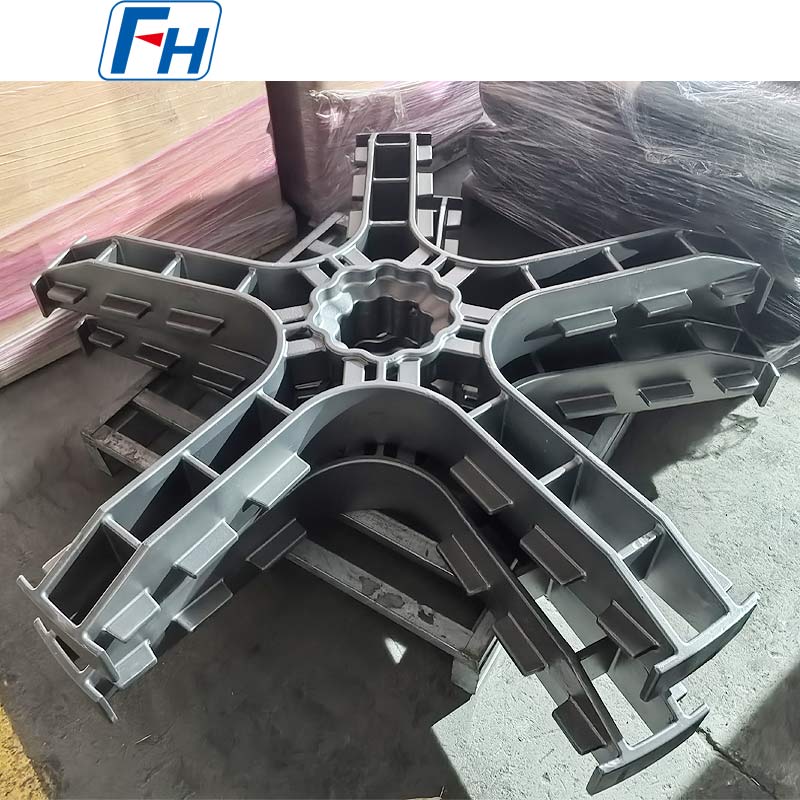
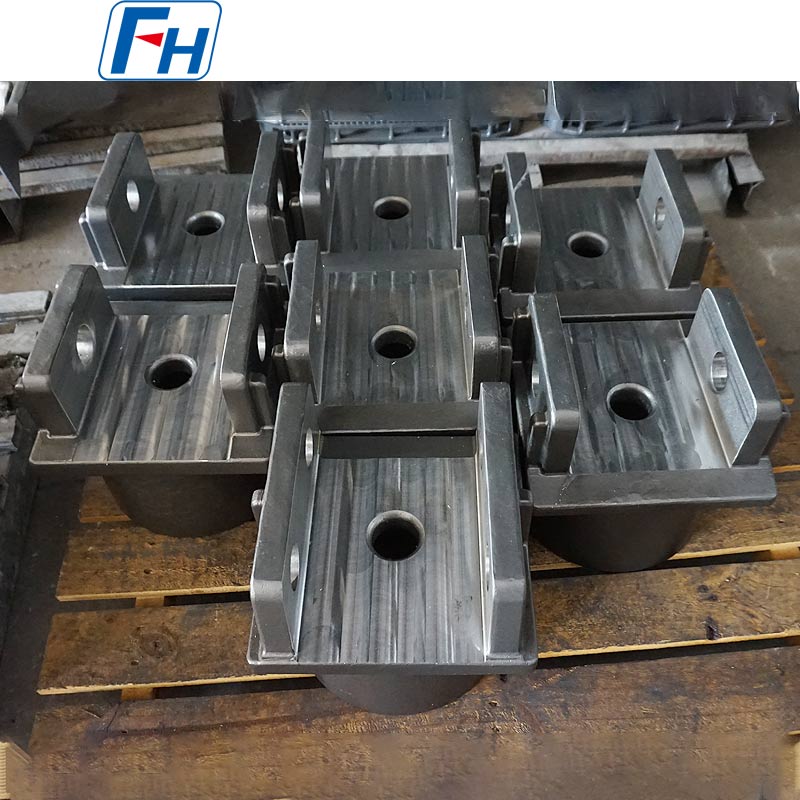
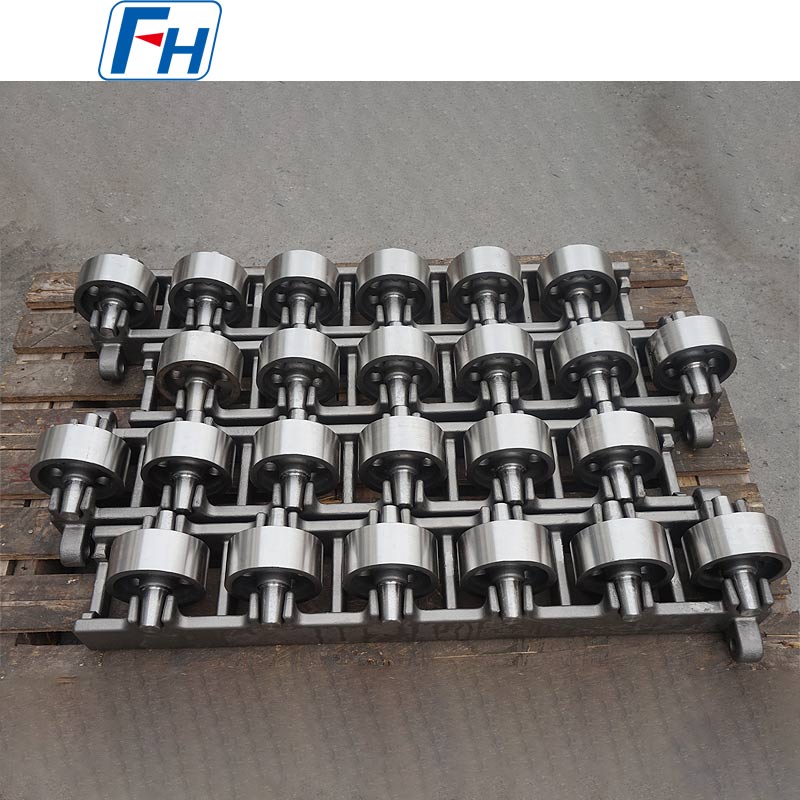
当社の主要製品は、熱処理装置、ラジアントチューブ、炉ローラー、ファンブレード、炉レール、ホイール、その他各種合金炉部品です。熱処理装置のカスタマイズや最適化に関する技術サポートを提供し、お客様が熱処理業務の効率を向上させるための費用対効果の高いソリューションを見つけるお手伝いをします。

プレミアムファーネスファンブレードで熱処理プロセスを最適化 均一な熱分布を確保し、運用効率を向上させます。 FH の精密設計された炉ファンブレード 。工業炉...
プレミアムファーネスファンブレードで熱処理プロセスを最適化 均一な熱分布を確保し、運用効率を向上させます。 FH の精密設計された炉ファンブレード 。工業炉...
プレミアムファーネスファンブレードで熱処理プロセスを最適化 均一な熱分布を確保し、運用効率を向上させます。 FH の精密設計された炉ファンブレード 。工業炉...
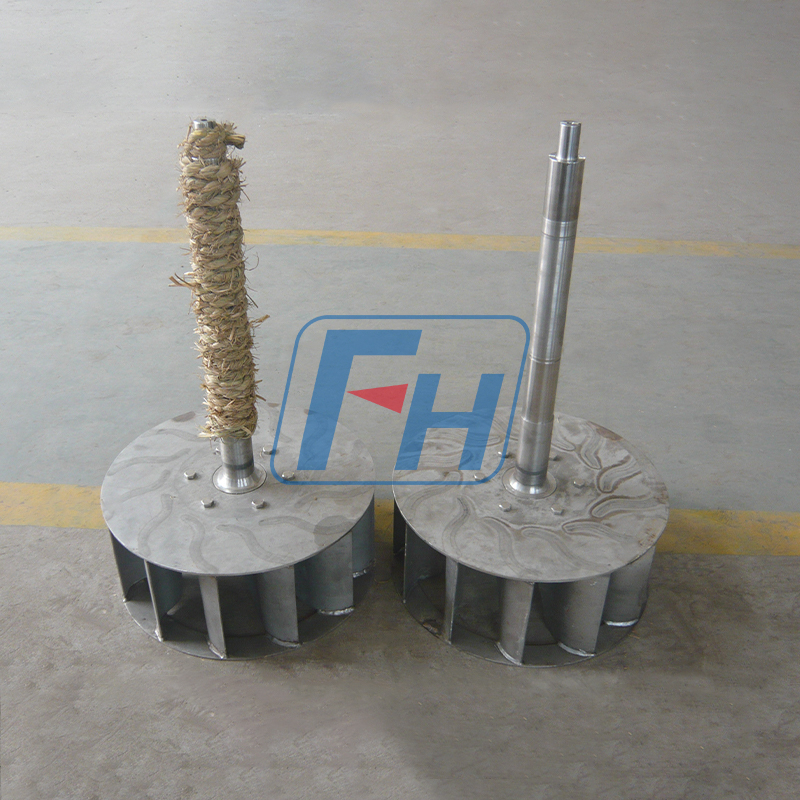
プレミアムファーネスファンブレードで熱処理プロセスを最適化 均一な熱分布を確保し、運用効率を向上させます。 FH の精密設計された炉ファンブレード 。工業炉および熱...
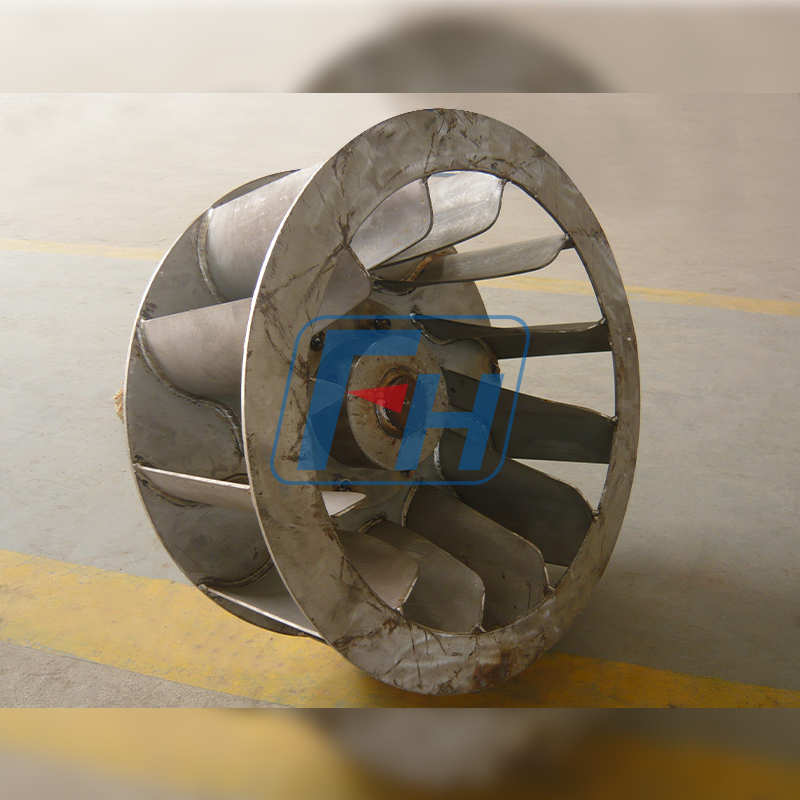
プレミアムファーネスファンブレードで熱処理プロセスを最適化 均一な熱分布を確保し、運用効率を向上させます。 FH の精密設計された炉ファンブレード 。工業炉および熱...


設立
輸出先国
月間生産能力
従業員数
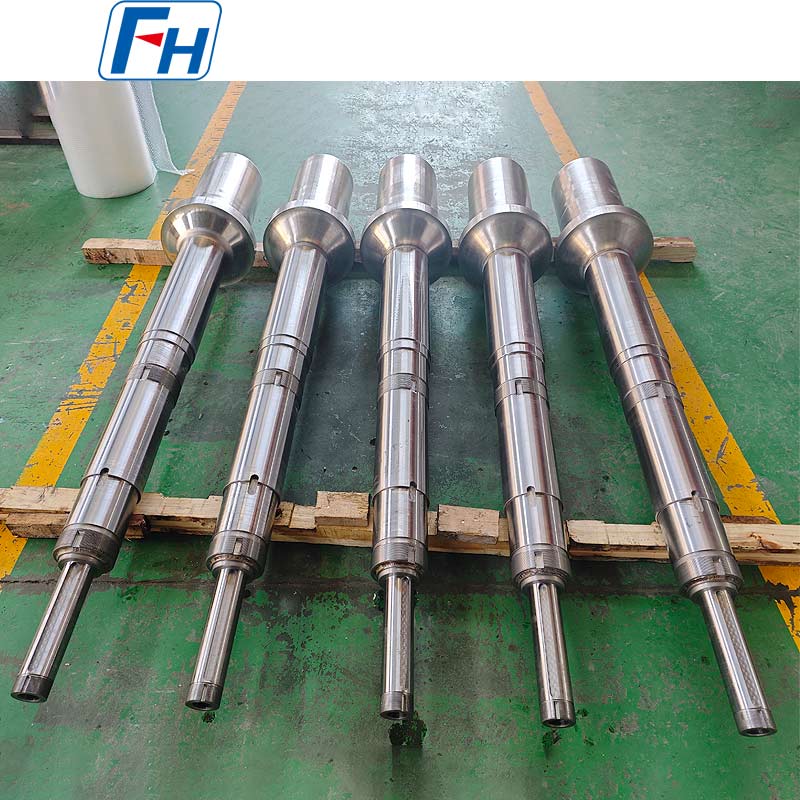
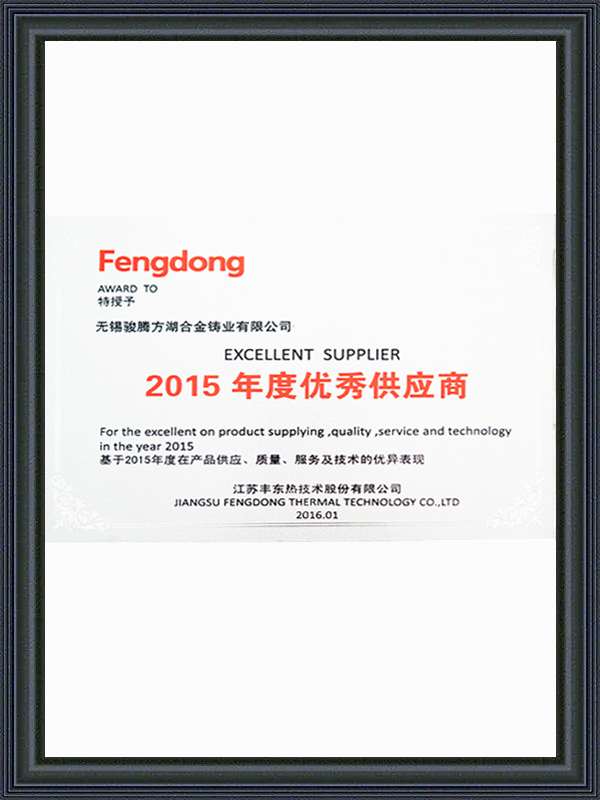
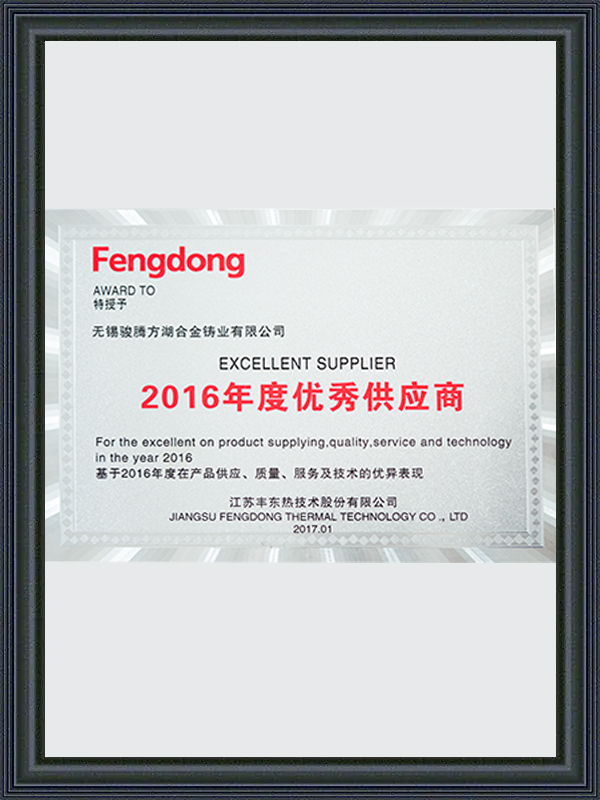
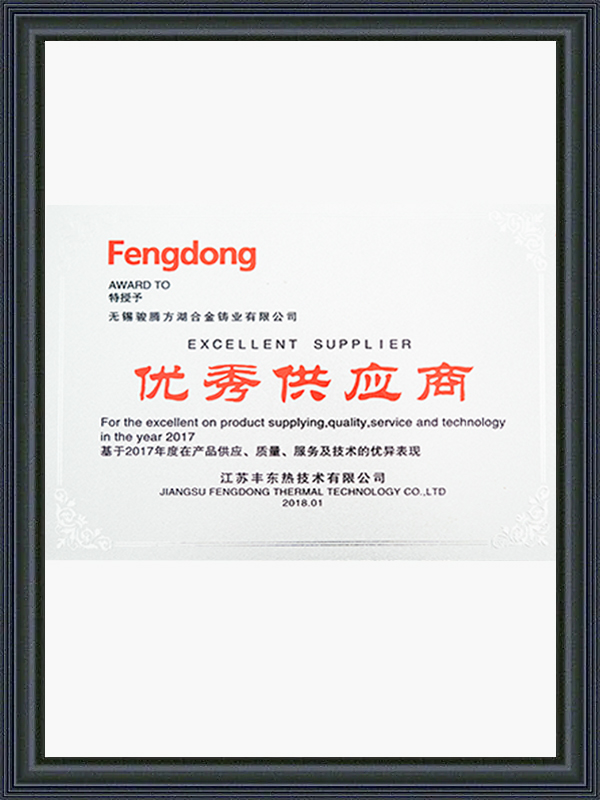
2026 年 10 月 13 ~ 15 日 |ケルン、ドイツ FH®合金 (無錫順騰方湖合金鋳造有限公司) は、2026 年 10 月 13 日から 15 日までドイツのケルンのケルンメッセで開催される HK 2026 – 熱処理会議に参加しています。 この展示会には熱処理および工業炉業界の専門家が集まり、メーカー、エンジニア、業界パートナーが技術知識を交換し、協力の可能性を探る機会を提供します。 専門メーカーとして 熱処理治具 FH® アロイは、耐熱合金鋳造の製造能力と、要求の厳しい高温産業用...
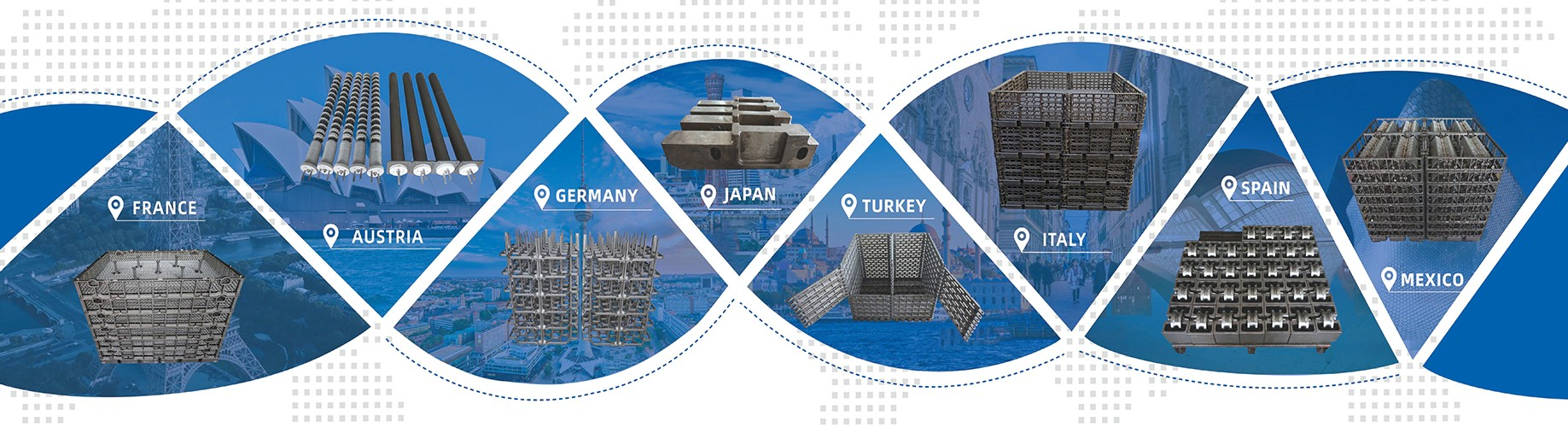
続きを読むイタリアの顧客向けのグリッド トレイとワイヤー メッシュを備えたカスタム鋳造熱処理バスケット 顧客事例 |無錫順騰方湖合金技術有限公司 (FH® 合金) プロジェクト概要 イタリアの顧客が FH® アロイを 8 個追加注文しました 熱処理バスケット 、熱処理用の 16 個の一致するグリッド トレイと 16 個のワイヤー メッシュ インサートが付属しています。 お客様は、バスケット フレーム、適合する内側グリッド トレイ、ワイヤー メッシュ コンポーネントを含む完全なソリュ...
続きを読む連続プッシャー炉ギア熱処理用のカスタム トレイ フィクスチャ システム 顧客事例 |エンジニアリング設計、図面承認、製造および納品 製品: カスタム熱処理トレイ治具システム 炉の種類: 連続プッシャー炉 アプリケーション: 歯車の化学熱処理 炉の雰囲気: エンドガス 最高温度: 950℃ 急冷媒体: 油、80~160℃ ワーク: ギ...
続きを読むWhat are Furnace fan blades | FH®?
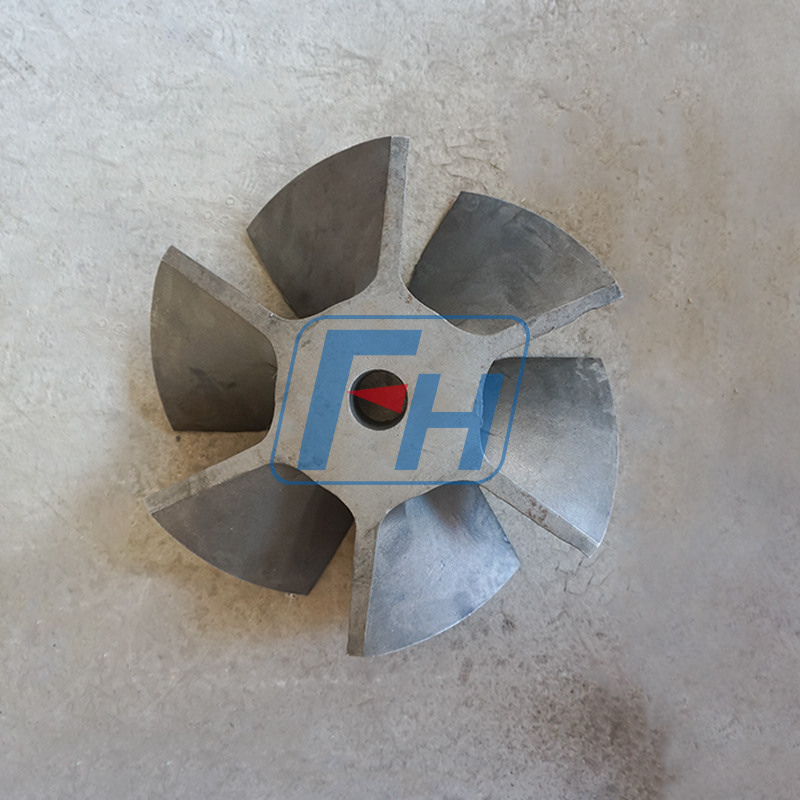
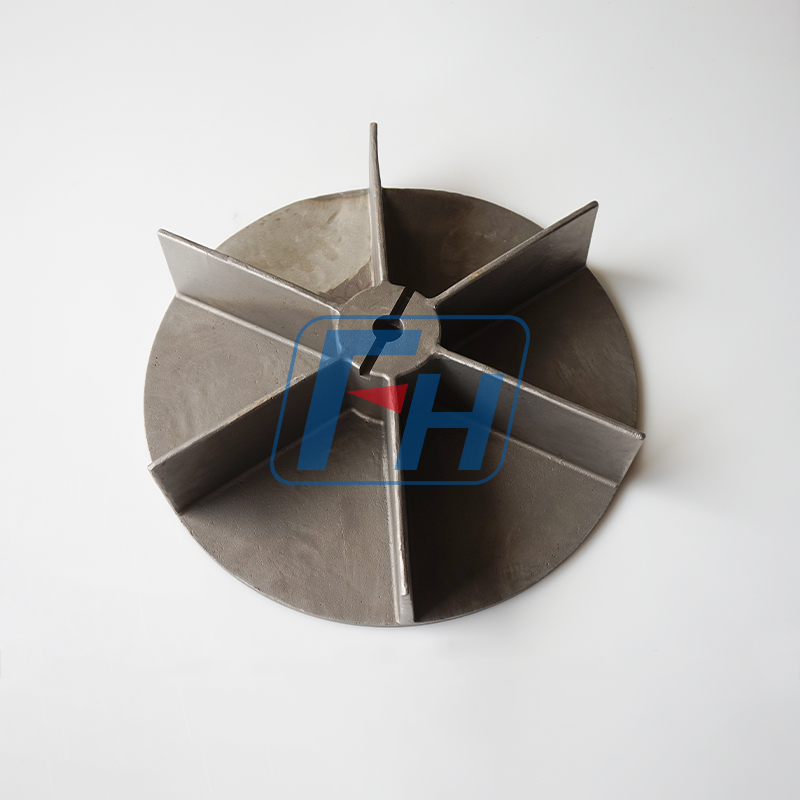
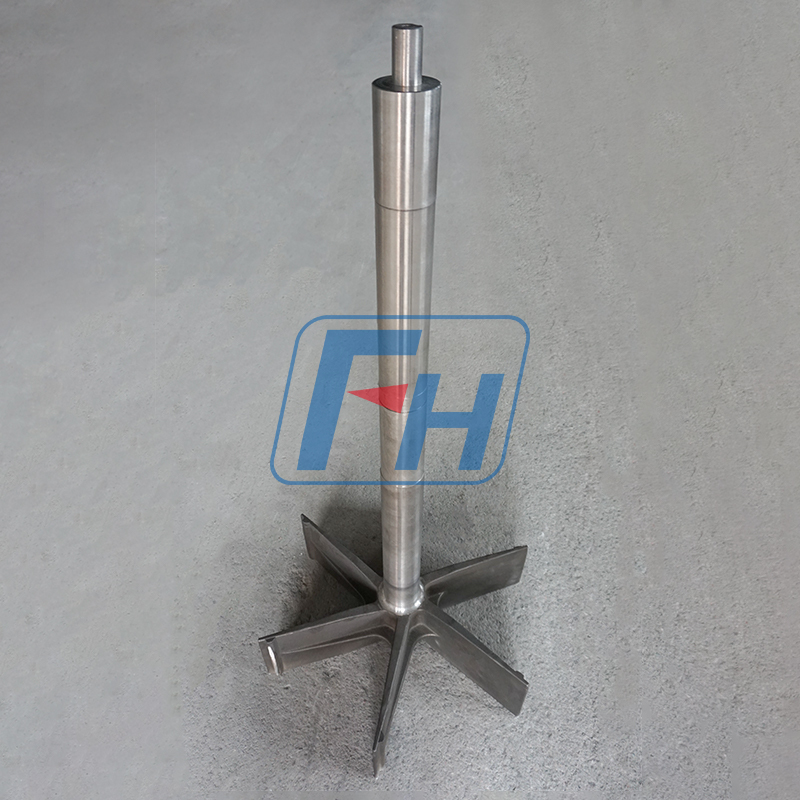
1. Core Definition: Furnace fan blades | FH® are key airflow-guiding components installed inside heat treatment furnaces, responsible for evenly distributing hot or cold air to every corner of the furnace chamber, achieving rapid and uniform temperature distribution.
2. Working Principle: The aerodynamic design of the blades creates a strong and controlled air flow as they rotate, avoiding localized hot or cold spots and thus improving heat treatment quality.
3. Key Features: High-temperature corrosion resistance, high structural strength, and a high surface finish ensure stable operation in extreme environments ranging from hundreds to thousands of degrees Celsius.
4. Company Advantages: Wuxi Junteng Fanghu Alloy Technology Co., Ltd. utilizes lost-wax casting technology to ensure flawless blade surfaces and precise dimensions, meeting stringent aerodynamic and mechanical requirements.
How do Furnace fan blades | FH® impact heating uniformity and cooling efficiency during heat treatment processes?
1. Improving Heating Uniformity
Through precise airflow distribution, the blades quickly eliminate temperature gradients within the furnace chamber, preventing the formation of "hot spots." A uniform heat field ensures uniform heating of the workpiece throughout the entire heat treatment process, significantly reducing deformation and internal stress.
2. Accelerated Thermal Cycle
Efficient airflow facilitates rapid heat transfer, shortening the heating time. Similarly, heat is removed more quickly during the cooling phase, shortening the overall process cycle.
This directly leads to increased production capacity and reduced energy costs.
3. Reduced Energy Consumption
Because of improved heat utilization, the furnace does not need to operate at high power for extended periods, resulting in significant energy savings.
FH blades maintain low resistance even at extreme temperatures, further reducing fan power consumption.
4. Company Technical Support
FH blades undergo dynamic balancing tests to ensure minimal vibration during operation, extending equipment life and reducing maintenance downtime.
What are the main materials used for Wuxi Junteng Fanghu Alloy Technology Co., Ltd.'s Furnace fan blades | FH®?
1. High-temperature alloy steel: High-temperature alloy steel containing elements such as nickel, chromium, and molybdenum offers excellent oxidation and creep resistance, maintaining strength at operating temperatures above 1100°C.
2. Specialty Heat-Resistant Cast Iron: For certain low- and medium-temperature furnace types, we use heat-resistant cast iron containing graphite or silicon carbide to enhance thermal shock resistance.
3. Customized Alloy Formula: FH's engineering team can provide customized alloy formulas based on the customer's maximum operating temperature, corrosive media, and operating environment, achieving the optimal "material-process-performance" combination.
2006年より合金鋼部品の設計・製造に注力
 電話: 0510-83310100
  メール: info@alloy-casting.com
  住所: Room 1105,Building 6, Jiaye Wealth Center,Wuxi, Jiangsu, P.R.China P.C.:214000.